8899 Spires
UX & Product Design · Case Study
Converting online curiosity into qualified buyer appointments for a new townhouse development in Vancouver's competitive real estate market.
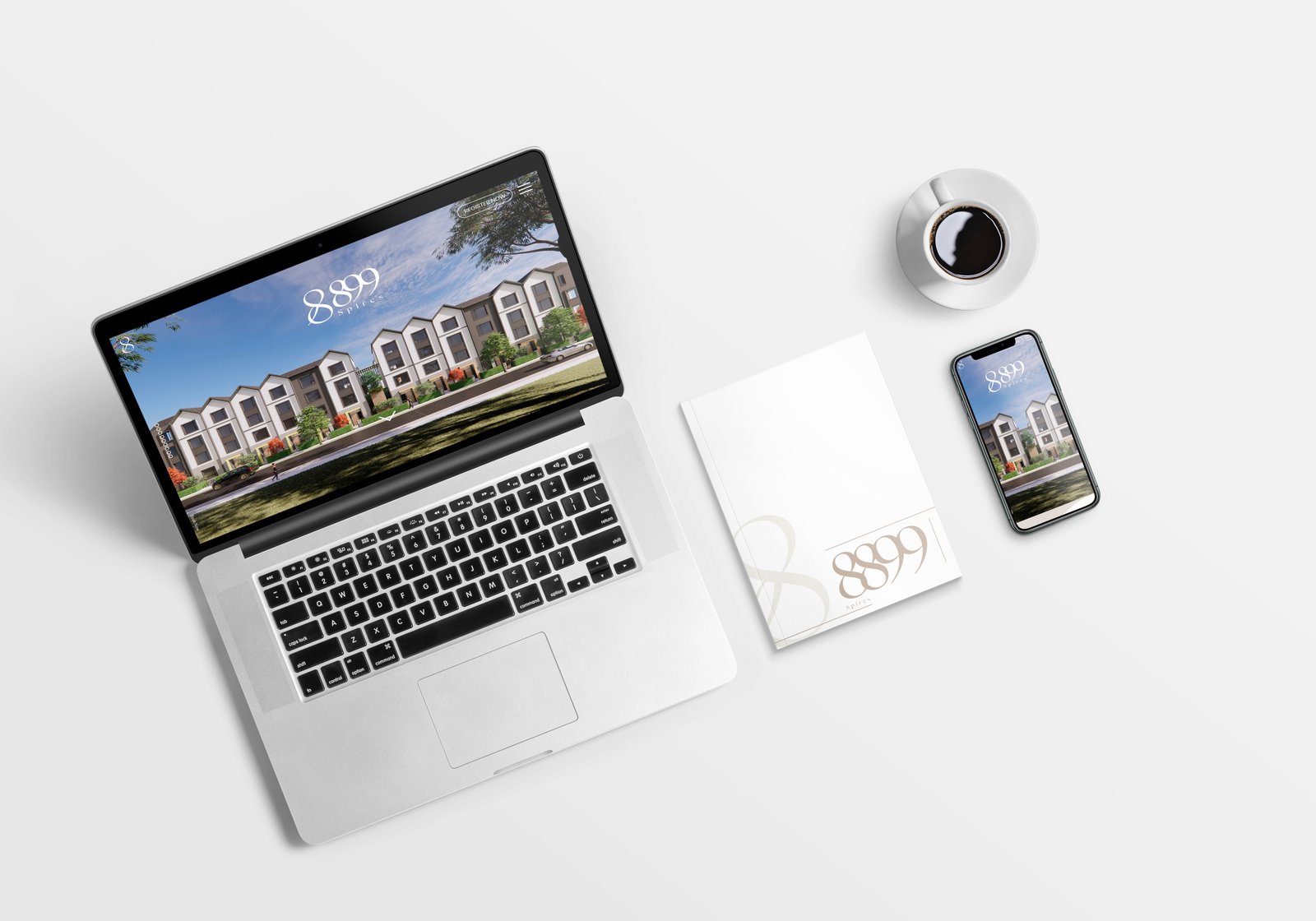
Buyers need confidence, not just content
Real estate is a high-stakes decision. In a competitive Vancouver market where multiple townhouse developments were vying for the same buyers, simply having a website wasn't enough.
The existing approach to real estate web design — dense information, passive browsing, late CTAs — wasn't working. The business needed online interest to convert into physical visits to the presentation centre. That meant designing a journey, not a brochure.
Project Details
Time Frame:
Feb 2024 – Apr 2024
Role:
Product Designer (UX/UI, Growth, SEO)
Team:
Solo Contractor
Deliverables:
Website, Brochure, Presentation Centre, Video, SEO
Tools:
Figma, Adobe Creative Suite, Google Analytics
Users & Research
Three distinct buyers, one shared need
Through competitor analysis and Vancouver market research, I identified three primary user groups. Each had different motivations — but all shared the same early-stage behaviour: scan for floorplans, pricing, and trust signals before deciding whether to engage further.
First-time Buyers
Overwhelmed by process. Needed simplified, jargon-free explanations and visible reassurance at every step.
Families Upgrading
Focused on livability — layout efficiency, storage, neighbourhood. Prioritised floorplan clarity above all else.
Investors
Evaluating long-term value. Looked for developer credibility, market positioning, and location advantages.
Design Approach
A conversion product, not a marketing site
Rather than designing a visual showcase, I structured the experience around how buyers actually make decisions — progressive trust-building, reducing cognitive load at each stage, and placing CTAs at natural decision points rather than forcing them.
Structure for decision-making, not browsing
Organised the homepage to surface value propositions immediately, then guide users through features, layouts, and trust signals in a logical sequence — mirroring how buyers actually evaluate a property.
Treat booking as the primary success metric
Integrated appointment and newsletter CTAs as persistent elements that appeared at natural pause points — after floorplan views, after feature sections — without interrupting exploration.
Translate complexity into visual clarity
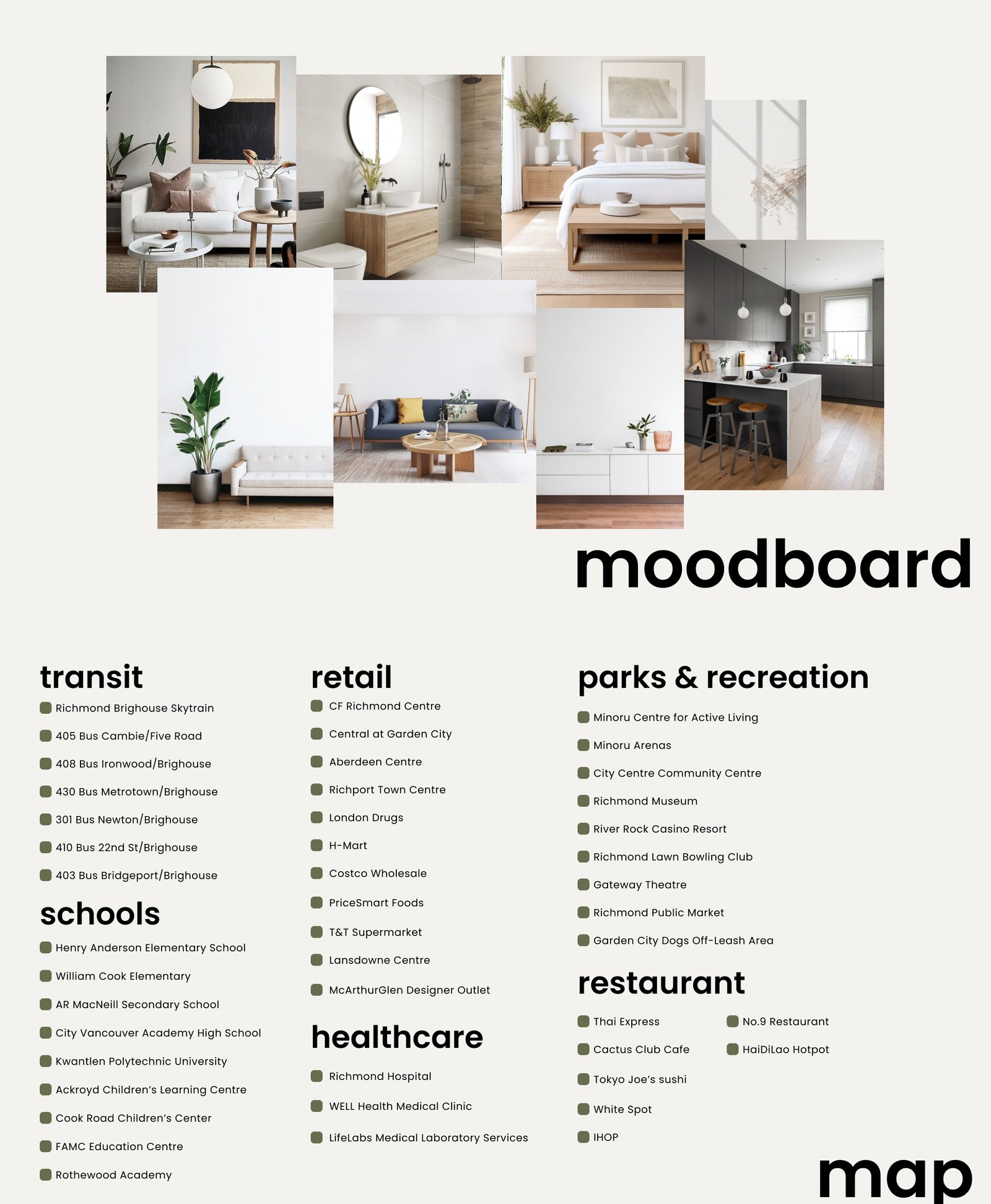
Collaborated with interior designers to refine floorplan visuals for non-technical users. Applied consistent information hierarchy across all digital and printed materials.
Bridge the online-to-offline gap
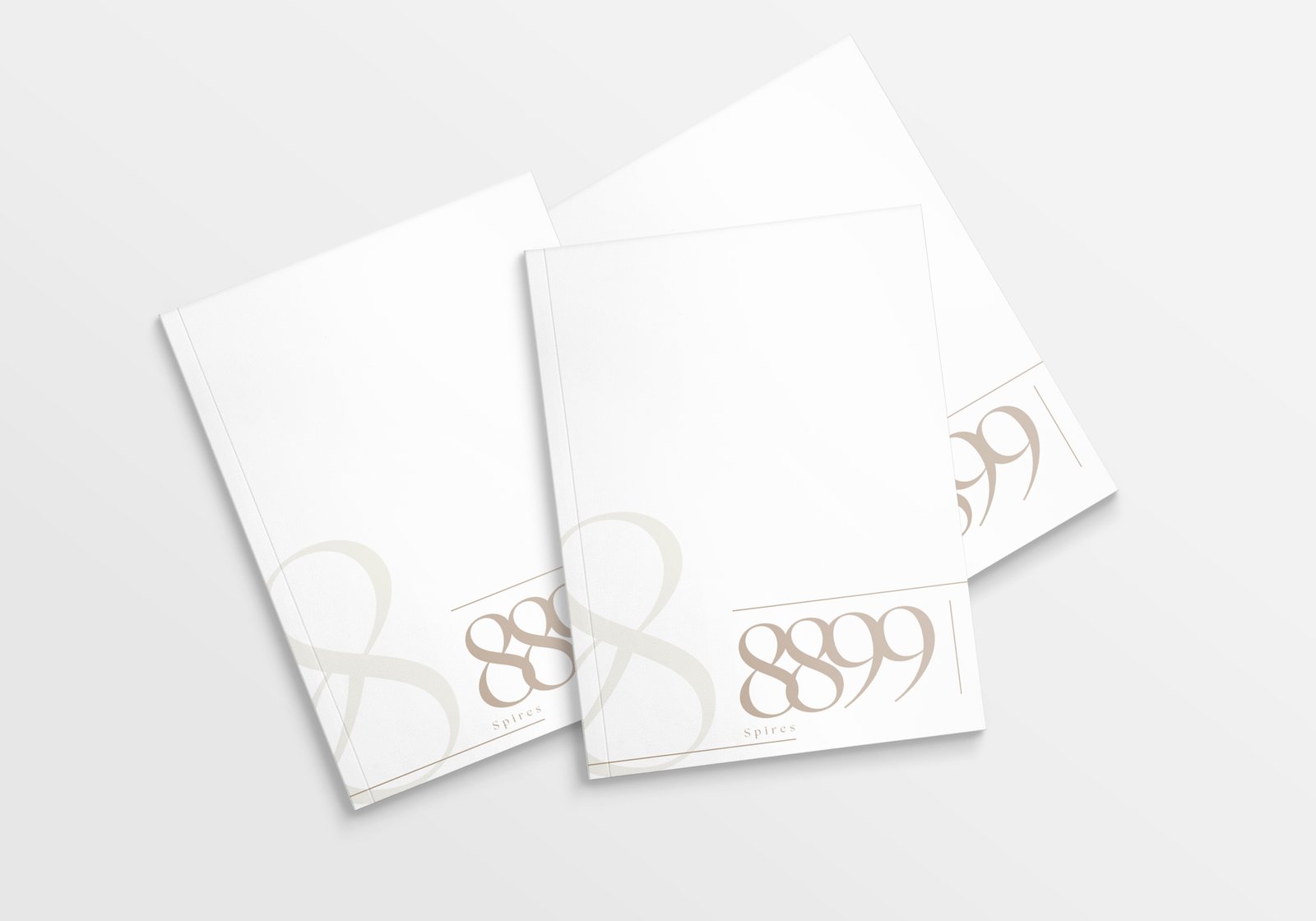
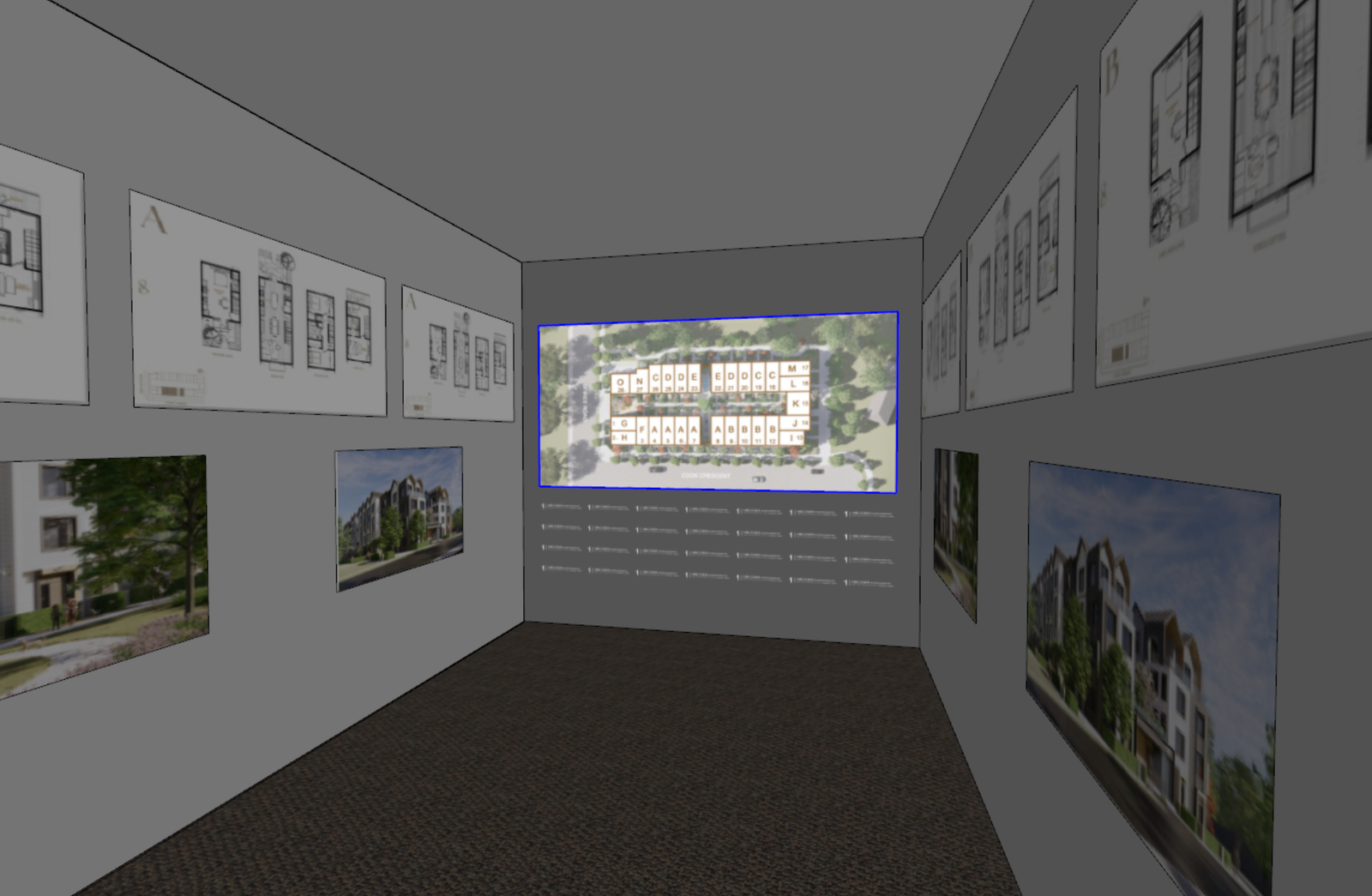
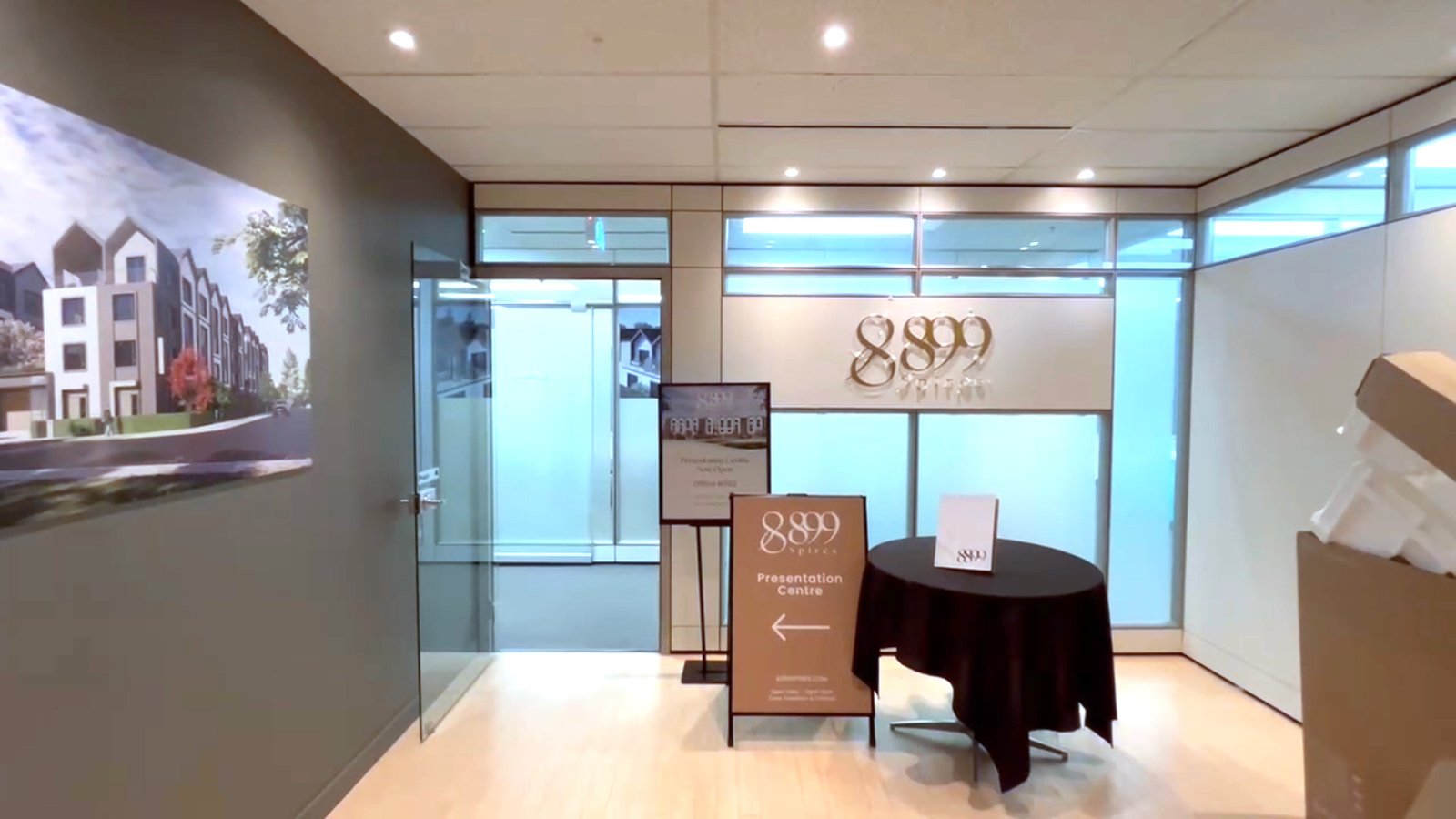
Designed the presentation centre layout (SketchUp), produced brochures, and coordinated the promotional video — ensuring the physical experience reinforced the credibility established online.
Critical Moment
When the homepage disappeared from Google
Midway through the project, the homepage was unexpectedly dropped from Google search results — a critical failure that cut off the primary discovery channel at exactly the wrong time during pre-launch.
- Diagnosed the issue via Google Search Console, identifying crawl and indexing errors
- Implemented targeted fixes and submitted pages for re-indexing
- Monitored post-fix performance until visibility was fully restored
- Outcome: full search visibility restored with no lasting impact on lead generation
Without this fix, the entire conversion funnel would have collapsed. Understanding SEO as a business risk — not just a traffic metric — made the difference.
Impact
What the project delivered
Cohesive brand system
Consistent visual identity across website, brochures, presentation centre, and promotional video — building credibility at every touchpoint.
Optimised conversion funnel
Streamlined the path from first visit to appointment booking, reducing friction at each stage through intentional layout and CTA placement.
Search visibility restored
Diagnosed and resolved a critical indexing failure, preventing long-term damage to lead generation during the launch window.
Analytics infrastructure
Set up Google Analytics and Search Console to support ongoing optimisation — turning the launch into a feedback loop, not a one-time build.
Key Learnings
What I took away
In high-stakes industries like real estate, UX is inseparable from trust design — clarity and credibility are conversion tools, not just aesthetic choices.
Owning the full journey, from research to production to analytics, builds a clearer picture of how individual design decisions affect business outcomes downstream.
Small structural choices — where a CTA appears, how a floorplan is labelled — have measurable impact on whether users take action.
Technical fluency in SEO and analytics amplifies design impact and makes you a stronger, more credible partner to business stakeholders.